
How Money and Politics Shape Modern Travel Law and Immigration Policy?

The intersection of financial interests and political decision-making significantly influences the development and implementation of travel law that affect millions of people seeking to cross international borders for business, tourism, or immigration purposes.

Political considerations often drive travel policy changes that reflect economic priorities, security concerns, and diplomatic relationships rather than purely humanitarian or practical considerations. Travel law encompasses visa policies, border security measures, and international agreements. All these govern movement between countries, with regulations that often reflect the political and economic priorities of governing administrations. Understanding these political and financial dynamics helps explain why travel regulations can vary dramatically between countries and change significantly when political leadership transitions occur.

Economic Interests Driving Travel Policy

Travel and tourism industries wield significant political influence through lobbying efforts and campaign contributions. Thus, shaping visa policies and border security measures to favor business interests over individual traveler convenience. Airlines, hotels, and tourism businesses advocate for policies that increase visitor numbers while maintaining security measures that protect their operations and reputation.

Economic considerations also influence reciprocal visa agreements between countries, with wealthier nations often receiving preferential treatment that reflects their economic importance rather than equal treatment principles.

Trade relationships frequently determine travel access, with business visa policies designed to facilitate commerce.

Political Campaigns and Immigration Rhetoric

Electoral politics heavily influence travel law through campaign promises and political rhetoric that prioritize security concerns. In addition to that, it also favors nationalist sentiments over practical immigration policy that serves economic and social needs. Political candidates often use immigration and travel restrictions as campaign tools to appeal to voter concerns about economic competition and cultural change.

Because of this, it can lead to policy changes that reflect political expediency instead of evidence-based approaches. The politicization of travel law results in frequent policy reversals when administrations change, creating uncertainty for businesses, families, and educational institutions that depend on predictable travel access.

Lobbying and Special Interest Influence

Corporate interests and advocacy organizations invest heavily in lobbying efforts that shape travel law to benefit specific industries or causes. Defense contractors and technology companies profit from increased border security spending that drives demand for surveillance equipment and personnel rather than streamlined processes that might reduce costs.

Economy’s Workforce is Considered too

Professional associations and labor unions also influence travel policy to protect their members’ interests. Because of this, they may be seen to be supporting restrictions at times, that limit professional mobility or competition from international workers. The influence of money in political processes creates travel law that reflects the priorities of well-funded interest groups rather than comprehensive policies that balance security, economic, and humanitarian considerations effectively.
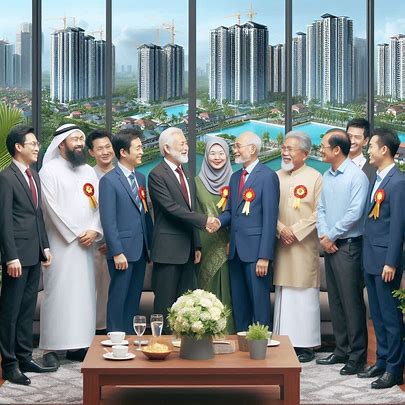
Who Wins from Urban Redevelopment? The Political Economy Behind Thomson View’s $810M Deal

property launch event

Thomson View’s collective sale for $810 million marked one of Singapore’s most talked-about redevelopment moves in recent years. The deal was not only historic in value, but also raised key questions about who truly benefits from such large-scale urban changes. Redevelopment isn’t just about upgrading buildings or infrastructure—it’s also about power, policy, and political influence.

At the heart of this major transaction is UOL Thomson View, a prominent player in Singapore’s property market. The developer’s acquisition illustrates how private sector interests often align with government redevelopment goals. But beneath the surface of glossy headlines and investor excitement lies a complex web of political economy that dictates who profits—and who gets pushed aside.

How Policy Shapes Redevelopment Deals

Government agencies like the Urban Redevelopment Authority (URA) are key architects in shaping Singapore’s built environment. Zoning laws, land use frameworks, and strategic planning decide which areas are ripe for transformation. Thomson View’s location along Upper Thomson Road, with its proximity to future MRT lines and green corridors, made it a prime candidate for redevelopment. However, such designations often follow political decisions, not just technical assessments.

Policy frameworks are often tilted in favor of developers. For instance, incentives such as plot ratio increases, flexibility in design guidelines, or expedited approvals can significantly raise the profitability of a project. These tools are meant to encourage renewal, but they also mean developers with strong political connections can access opportunities that others cannot.

The Winners: Developers and Property Investors

Private developers like UOL Group stand to gain the most. They purchase aging estates at a collective price, redevelop them into high-end condominiums, and sell at a premium. It’s a tested formula. For property investors, this opens up a stream of profits, especially when redevelopment occurs in desirable districts with limited land supply.

Real estate agencies, consultants, legal firms, and construction companies also benefit. They earn millions from managing the legal complexities of collective sales, architectural redesigns, and marketing campaigns. Even policymakers may indirectly benefit by showcasing redevelopment successes as part of broader urban planning achievements.

But Who Loses?

Not everyone comes out ahead. Original homeowners, particularly elderly residents, may be displaced from neighborhoods they’ve lived in for decades. While they receive compensation, the emotional and social cost of leaving familiar surroundings is harder to quantify. And with rising property prices, relocating within the same area becomes financially unfeasible for many.

Tenants and small businesses operating in these areas often get no say in the matter. Rents spike post-redevelopment, driving out local shops and long-time residents. What follows is a process often described as “gentrification”—whereby a place loses its cultural soul in exchange for higher-end aesthetics and wealthier occupants.

Political Alliances Behind the Scenes

Urban redevelopment deals of this size rarely happen without political facilitation. From land rezoning to adjusting height restrictions or allowing higher plot ratios, many of these decisions require cooperation from government bodies. This is where political alliances come into play. Developers with established ties or proven track records often get quicker approvals, better incentives, and smoother negotiations with agencies.

While this may lead to efficient project delivery, it can also raise concerns about transparency. Critics argue that the system favors major developers while sidelining community voices. When consultations are rushed or tokenistic, the result is a top-down development model that prioritizes profits over people.

Finding Balance in Future Redevelopment

Singapore’s rapid urbanization is globally recognized for its precision and effectiveness. But as cities become denser, there’s a growing call for more inclusive development. Policies should not only incentivize innovation and land optimization, but also safeguard social cohesion and community heritage.

One solution may lie in participatory planning. Involving residents in early-stage discussions, offering flexible compensation schemes, and protecting cultural landmarks could ensure redevelopment isn’t purely transactional. Governments can also introduce progressive housing policies—such as right-to-return clauses or rent control for displaced tenants—to soften the negative impacts of renewal.

Ultimately, urban redevelopment must be more than a win for developers or policymakers. It should also be a win for the community.

READ ALSO: Government Policies and Economic Growth

Conclusion

The $810 million deal for Thomson View offers a clear look into the complex relationship between politics, urban planning, and profit. While redevelopment can breathe new life into aging estates, the political economy behind it often tilts the scales in favor of those with capital and connections. To create truly inclusive cities, Singapore—and other rapidly developing urban centers—must rethink who redevelopment is really for.