
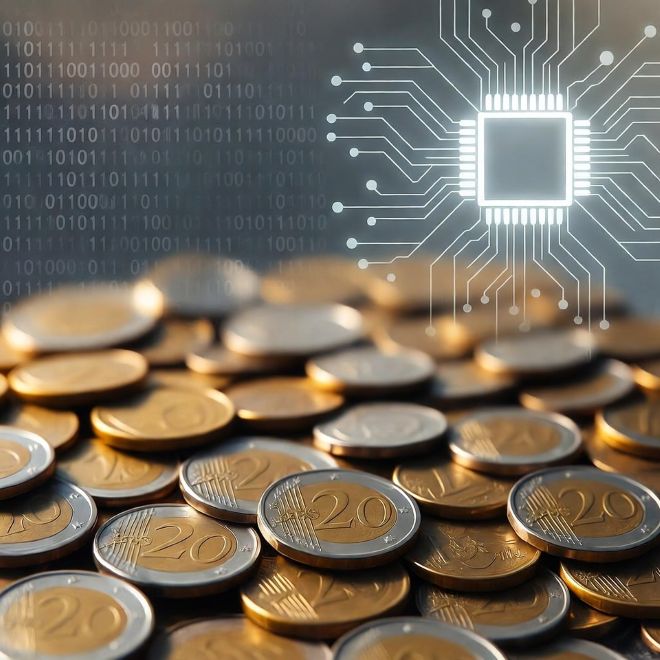
Coins are quietly vanishing from everyday transactions. Across Europe and other regions, governments are debating whether small denominations still have a place in a modern economy. Germany, known for its deep attachment to cash, is now considering a move to round payments to the nearest 5 euro cents. The idea may seem minor, yet it reveals a growing divide between those who value physical money and those who see it as a relic of the past.
Rounding and Reality: A Sign of Economic Shifts
Rounding cash transactions reflects more than convenience. It is a reaction to inflation, rising minting costs, and the shift to digital payments. As CashEssentials reports, small coins cost more to produce than they are worth. Many countries, from Finland to Canada, have already phased them out with little resistance. Yet in Germany, the debate feels symbolic. For some, giving up small change feels like losing part of everyday life, an erosion of trust in the tangible form of money.
The Power Behind Physical Money
Currency design and issuance are never neutral decisions. Each coin and banknote carries national symbols, languages, and history. They express identity and sovereignty. According to Wikipedia, monetary sovereignty—the right of a state to control its currency—is one of the clearest expressions of national power. As digital alternatives grow, this power dynamic is changing fast. Private payment systems, cryptocurrencies, and central bank digital currencies are reshaping who holds financial control.
The Decline of Cash: A Political Question
The decline of coins and banknotes is more than a technological shift. It touches on freedom, privacy, and equality. The website coins-and-banknotes notes that physical cash allows anyone to exchange value without surveillance or intermediaries. Once payments go fully digital, transactions can be traced, controlled, or even blocked. For critics, a cashless world risks turning money into a tool of control rather than a means of independence.
What Happens When Coins Disappear?
Phasing out small coins affects more than shoppers. It changes how prices are set and how people perceive value. Retailers must decide whether to round up or down. Consumers worry about fairness. Economists debate whether rounding causes inflation. But beneath these concerns lies a deeper question: who decides when a coin’s life ends? These decisions often rest with central banks and finance ministries, making them inherently political acts.
- Minting costs: Producing 1- and 2-cent coins can cost more than their face value.
- Digital competition: Mobile payments and cards dominate low-value transactions.
- Environmental impact: Mining and metal use raise sustainability concerns.
- Public sentiment: Older generations tend to favor keeping coins; younger users prefer digital wallets.
The Future of Physical Currency
The story of coins is far from over. While small denominations may disappear, the debate about cash’s role will continue. Some countries are even protecting cash use by law to ensure inclusion for all citizens. Others experiment with hybrid systems, where digital and physical money coexist. As societies weigh convenience against autonomy, the politics of money will stay in the spotlight.
Ultimately, every coin tells a story. Its disappearance tells another—a story about how economies evolve, who controls value, and what people are willing to trade for convenience. The move toward rounding and digitalization is more than policy. It is a reflection of changing trust, power, and priorities in an increasingly cashless world.