
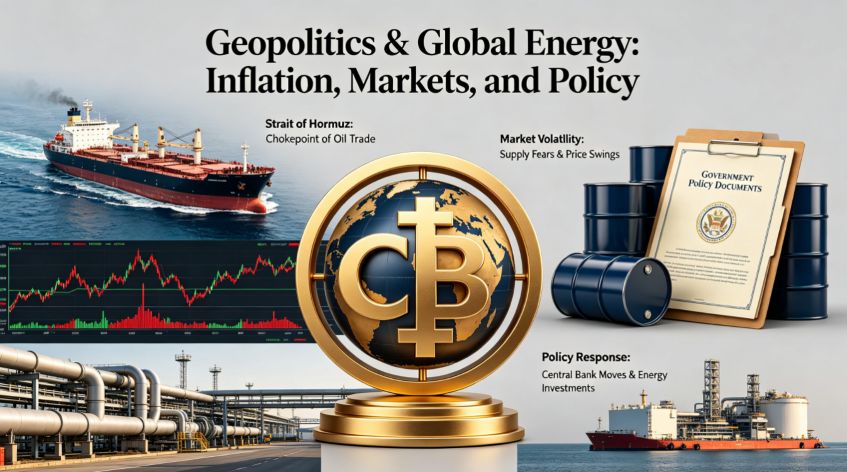
Escalating tensions between the United States and Iran continue to influence global markets, energy supply chains, and government policy decisions. Military confrontations, economic sanctions, and diplomatic disputes have repeatedly affected oil prices, investor confidence, and international trade. Research from the International Energy Agency (IEA) shows that disruptions in major energy-producing regions can quickly influence global fuel markets because of the interconnected nature of energy supply.
One of the most immediate consequences is the rise of geopolitical financial risks. Governments, central banks, and businesses must prepare for sudden market volatility caused by sanctions, shipping disruptions, or changes in diplomatic relations. Reports from the International Monetary Fund (IMF) indicate that geopolitical uncertainty has become an increasingly important factor shaping investment decisions, capital flows, and long-term economic planning.
Sanctions Shape Economic Policy
Economic sanctions remain one of the primary tools used by governments during international disputes. Restrictions on banking, exports, and energy trade affect the targeted country while creating wider consequences for global commerce. Findings from the World Bank suggest that sanctions can reduce trade volumes, delay investment projects, and encourage businesses to diversify supply chains to reduce exposure to political uncertainty.
These adjustments often require governments to revise fiscal priorities. Increased spending on national security, strategic reserves, and domestic energy production can compete with funding for infrastructure, education, and social programs. Policymakers therefore face difficult choices when balancing economic resilience with public spending goals.
Energy Security Becomes a Strategic Priority
The Strait of Hormuz remains one of the world’s most important shipping routes for crude oil and liquefied natural gas. Experts at the U.S. Energy Information Administration (EIA) note that a significant share of global petroleum trade passes through this narrow waterway. Any threat to shipping activity can trigger higher energy prices, even if physical supply remains largely uninterrupted.
As a result, many countries have accelerated efforts to diversify energy sources. Investments in renewable energy, liquefied natural gas infrastructure, and domestic production are increasingly viewed as strategies for improving national energy security rather than solely addressing environmental goals.
Inflation and Household Costs
Higher energy prices frequently spread throughout the broader economy. Transportation, manufacturing, agriculture, and consumer goods all depend on fuel costs. Studies published by the Organisation for Economic Co-operation and Development (OECD) show that sustained increases in energy prices can contribute to inflation, making it more expensive for households and businesses to manage everyday expenses.
Central banks may respond by adjusting interest rates to control inflationary pressures. While these measures can help stabilize prices over time, they may also slow borrowing, investment, and economic growth during periods of uncertainty.
Long-Term Political and Economic Consequences
The ongoing US-Iran dispute demonstrates how regional conflicts can influence global policy far beyond the countries directly involved. Governments are placing greater emphasis on supply chain resilience, strategic partnerships, cybersecurity, and diversified energy investments. Businesses are similarly expanding risk management strategies to prepare for future geopolitical shocks.
Reports from the World Economic Forum emphasize that geopolitical tensions are expected to remain a defining feature of the global economy for years to come. While diplomatic progress could reduce uncertainty, governments and financial institutions are increasingly planning for a future where political events continue to shape economic policy, inflation, and energy markets across the world.