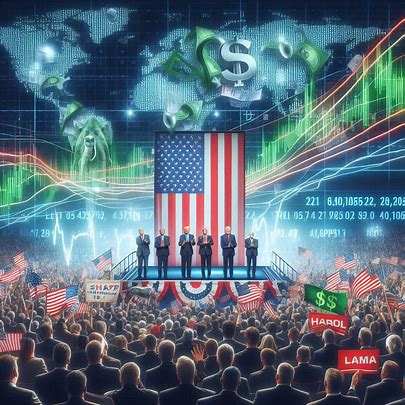
The intersection of financial interests and political decision-making significantly influences the development and implementation of travel law that affect millions of people seeking to cross international borders for business, tourism, or immigration purposes.
Political considerations often drive travel policy changes that reflect economic priorities, security concerns, and diplomatic relationships rather than purely humanitarian or practical considerations. Travel law encompasses visa policies, border security measures, and international agreements. All these govern movement between countries, with regulations that often reflect the political and economic priorities of governing administrations. Understanding these political and financial dynamics helps explain why travel regulations can vary dramatically between countries and change significantly when political leadership transitions occur.
Economic Interests Driving Travel Policy
Travel and tourism industries wield significant political influence through lobbying efforts and campaign contributions. Thus, shaping visa policies and border security measures to favor business interests over individual traveler convenience. Airlines, hotels, and tourism businesses advocate for policies that increase visitor numbers while maintaining security measures that protect their operations and reputation.
Economic considerations also influence reciprocal visa agreements between countries, with wealthier nations often receiving preferential treatment that reflects their economic importance rather than equal treatment principles.
Trade relationships frequently determine travel access, with business visa policies designed to facilitate commerce.
Political Campaigns and Immigration Rhetoric
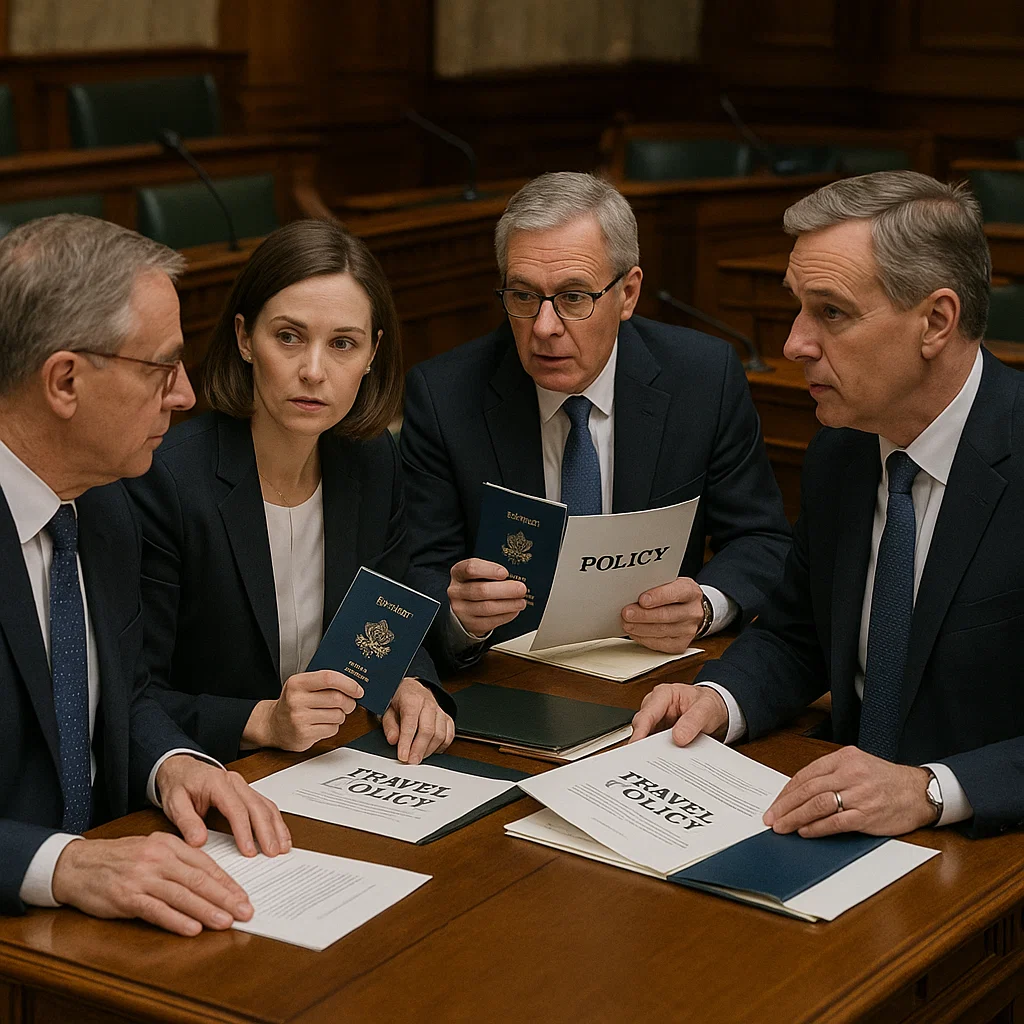
Electoral politics heavily influence travel law through campaign promises and political rhetoric that prioritize security concerns. In addition to that, it also favors nationalist sentiments over practical immigration policy that serves economic and social needs. Political candidates often use immigration and travel restrictions as campaign tools to appeal to voter concerns about economic competition and cultural change.
Because of this, it can lead to policy changes that reflect political expediency instead of evidence-based approaches. The politicization of travel law results in frequent policy reversals when administrations change, creating uncertainty for businesses, families, and educational institutions that depend on predictable travel access.
Lobbying and Special Interest Influence
Corporate interests and advocacy organizations invest heavily in lobbying efforts that shape travel law to benefit specific industries or causes. Defense contractors and technology companies profit from increased border security spending that drives demand for surveillance equipment and personnel rather than streamlined processes that might reduce costs.
Economy’s Workforce is Considered too
Professional associations and labor unions also influence travel policy to protect their members’ interests. Because of this, they may be seen to be supporting restrictions at times, that limit professional mobility or competition from international workers. The influence of money in political processes creates travel law that reflects the priorities of well-funded interest groups rather than comprehensive policies that balance security, economic, and humanitarian considerations effectively.
 Tariffs Drive Policy Debates