
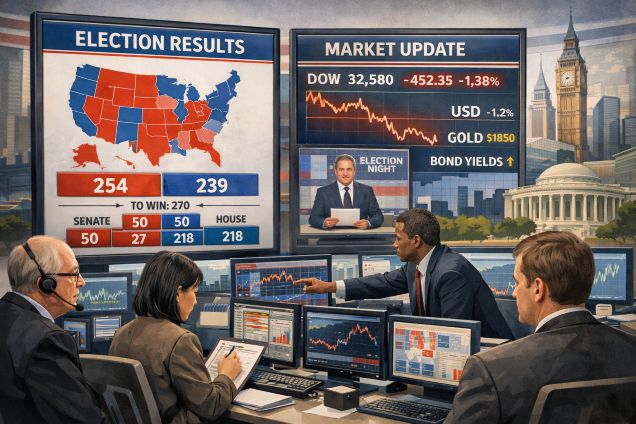
International Monetary Fund research shows that government spending patterns often shift around election periods, making fiscal policy uncertainty a key topic for investors evaluating economic prospects in 2026. Election campaigns and political transitions frequently bring proposals for new spending programs, tax adjustments, and regulatory reforms that can influence business confidence and financial markets.
Political leaders often use election periods to present economic plans aimed at voters. These proposals may include infrastructure investments, tax relief measures, or expanded social programs. While such initiatives can support economic activity, investors also assess their long-term impact on government budgets and public debt. Data from the Organisation for Economic Co-operation and Development (OECD) indicates that fiscal decisions can affect inflation expectations, borrowing costs, and overall economic growth.
Historical Evidence and Market Reactions
Historical evidence suggests that financial markets closely monitor government spending and taxation policies during election cycles. Research published by the National Bureau of Economic Research (NBER) shows that policy uncertainty can increase market volatility, particularly when election outcomes are difficult to predict. Investors often adjust portfolios based on expectations about future regulations, trade policies, and fiscal priorities.
Data from the World Bank indicates that countries with stable fiscal frameworks generally experience stronger investor confidence. Markets tend to respond positively when governments communicate clear budget plans and demonstrate commitment to sustainable public finances.
Key Concerns for Investors in 2026
- Potential changes in tax policy affecting corporate earnings.
- Rising public debt levels linked to spending commitments.
- Inflation risks associated with expansionary fiscal measures.
- Regulatory shifts that may impact specific industries.
- Economic growth projections following political transitions.
Politics and Economic Confidence
Experts note that elections do not automatically create economic instability. However, uncertainty surrounding future fiscal strategies can influence investment decisions. Clear communication, credible budgeting, and predictable policy implementation often help reduce market concerns.
As 2026 election cycles unfold across several major economies, investors will continue monitoring government spending plans, taxation proposals, and political developments. The relationship between politics and economic confidence remains complex, but evidence suggests that transparent fiscal management plays a significant role in supporting long-term market stability and investor trust.